
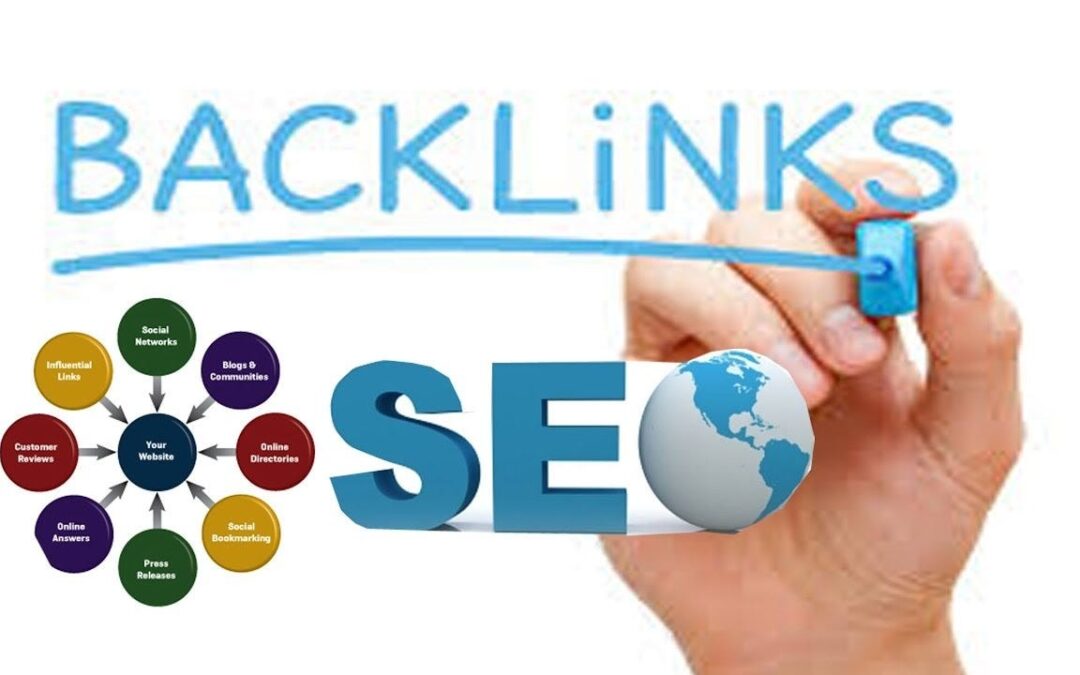
Backlinks in SEO for web pages. Search engines look at links. When pages point. To another. One site links. It is a sign of trust. A site no links. As it is alone. Search engines do not believe. Rank low.
Traffic not high. No grow. Backlinks give. Good links write. Bad links write. No change. Like school mates. White students leave. Bad students leave. Same with websites.
What Are Backlinks in SEO?
Backlinks in SEO are links from a website to other web pages. One site gave a sape link. One more web page got it. These links are seen by Google. Bing sees such kinds of backlinks too. Search engines leverage those URLs for their opinion about quality.
A backlink from Wikipedia shows trust. A backlink from Forbes shows high power. spam sites giving backlink is not helpful.
Not all hyperlinks have power of their own. They matter where they are. They matter which page they link. Who makes the links matter too.
Why Backlinks in SEO Matter
Backlinks help search engines find the best pages. Pages with more backlinks move higher in the rankings. Pages with less backlinks move lower in the rankings.
Backlinks also guide readers in finding reliable sources of knowledge. When readers trust what they read, they return back for more. Trust helps elevate websites in the rankings and attracts more visitors.
Types of Backlinks in SEO
Different backlinks serve different goals.
Editorial Backlinks
Rewrite the following passage, following the rules above: “Writers choose to put these links here. Blogs do. News sites do. Google does not mind these links.
A blog about tech linking to an SEO guide helps. Context makes the link good. “
Guest Post Backlinks
You write content for another website. The site gives you a link. This method works when content helps readers.
Low-quality guest posts fail. Useful posts win.
Business Profile Backlinks
Business listings create these links. Google Business Profile counts here. Local sites count.
These links connect with NIP terms.
Directory Backlinks
Directories list businesses or services. Niche directories help more than random ones.
SEO directories support backlinks in SEO when relevance stays strong.
Contextual Backlinks
Links inside content carry weight. Footer links carry less value.
Context explains meaning.
What Are NIP Terms in SEO?
NIP terms support trust. Search engines check business details.
NIP means:
- Name
- Identity
- Phone
These details must match across websites.
Example:
Name: Smart SEO Solutions
Identity: SEO and backlink service provider
Phone: Same number on all sites
Search engines trust consistent data. Mixed data breaks trust.
NIP terms help local SEO. They support brand signals. They protect rankings.
Entities Related to Backlinks in SEO
Entities give meaning. Search engines connect words to real things.
Important entities for backlinks in SEO include:
- Google
- Bing
- Ahrefs
- Moz
- SEMrush
- Wikipedia
- Forbes
- Search Engine Journal
- HubSpot
When content mentions these entities naturally, search engines understand topic depth.
A backlink guide that mentions Google Search, Ahrefs tools, and Moz metrics sends strong signals.
Entities shape relevance.
How Backlinks in SEO Work Behind the Scenes
Search engines crawl the web. Bots move from link to link. Each link acts like a door.
A trusted site links to you. Trust flows through that link.
Anchor text gives clues. Page topic gives clues. Site strength gives clues.
Google builds a map. Your page earns a place on that map.
Spam links break the map. Google ignores them or punishes them.
How to Build Backlinks in SEO the Right Way
Backlink building needs care.
Create Useful Content
Content should help readers. Simple words work best. Clear ideas matter.
Guides earn links. Lists earn links. Tutorials earn links.
Choose Relevant Websites
A fitness site linking to an SEO page feels wrong. A marketing site fits better.
Relevance protects link value.
Use Natural Anchor Text
Avoid forced keywords. Use phrases that feel normal.
Examples:
- SEO guide
- backlink strategy
- search engine ranking tips
Search engines prefer natural flow.
Keep Growth Steady
A flood of links raises alarms. Slow growth looks real.
Patience wins.
Track Your Links
Tools like Ahrefs and SEMrush show link data. Remove harmful links. Protect your site.
Common Mistakes in Backlinks in SEO
Many websites fail due to errors.
- Buying cheap links
- Using same anchor text
- Linking from unrelated sites
- Ignoring NIP terms
- Chasing quantity
Quality beats count.
Backlinks and Content: The Right Balance
Content and backlinks work together.
Strong content without links stays hidden.
Strong links without content feel hollow.
Balance builds success.
A clean page with helpful text attracts links. Links bring readers. Readers build signals.
How Google Views Backlinks Today
Google looks beyond numbers. It checks patterns.
Natural links last. Forced links fade.
One backlink from Search Engine Journal beats many weak links.
Trust holds value.
Simple Example for Young Readers
Imagine a library.
Books that many teachers recommend sit on front shelves. Books that no one recommends sit in corners.
Backlinks work like teacher notes.
Future of Backlinks in SEO
Backlinks will stay important.
Entities will gain strength.
Brand signals will grow.
NIP terms will matter more.
Websites that focus on trust will win.
FAQs
1. What are backlinks in SEO?
Backlinks in SEO are links from one website to another. These links help search engines trust a website.
2. Do backlinks help rankings?
Yes. Good backlinks improve rankings when they come from trusted and relevant sites.
3. How many backlinks does a website need?
No fixed number exists. A few strong links bring more value than many weak ones.
4. Why do NIP terms matter?
NIP terms build trust. Search engines prefer matching Name, Identity, and Phone details.
5. Can beginners build backlinks in SEO?
Yes. Beginners can earn backlinks through useful content and honest outreach.